

Our Bookshelf
Reading List
Part of my formula for growing my business is reading. The books included here have their own gems that I have found useful in my career. In each blog post, I have included a brief review and my favorite details from each book. I encourage you to pick up these books for yourself. Please share your thoughts with me regarding these books and I appreciate recommendations!
Happy reading!

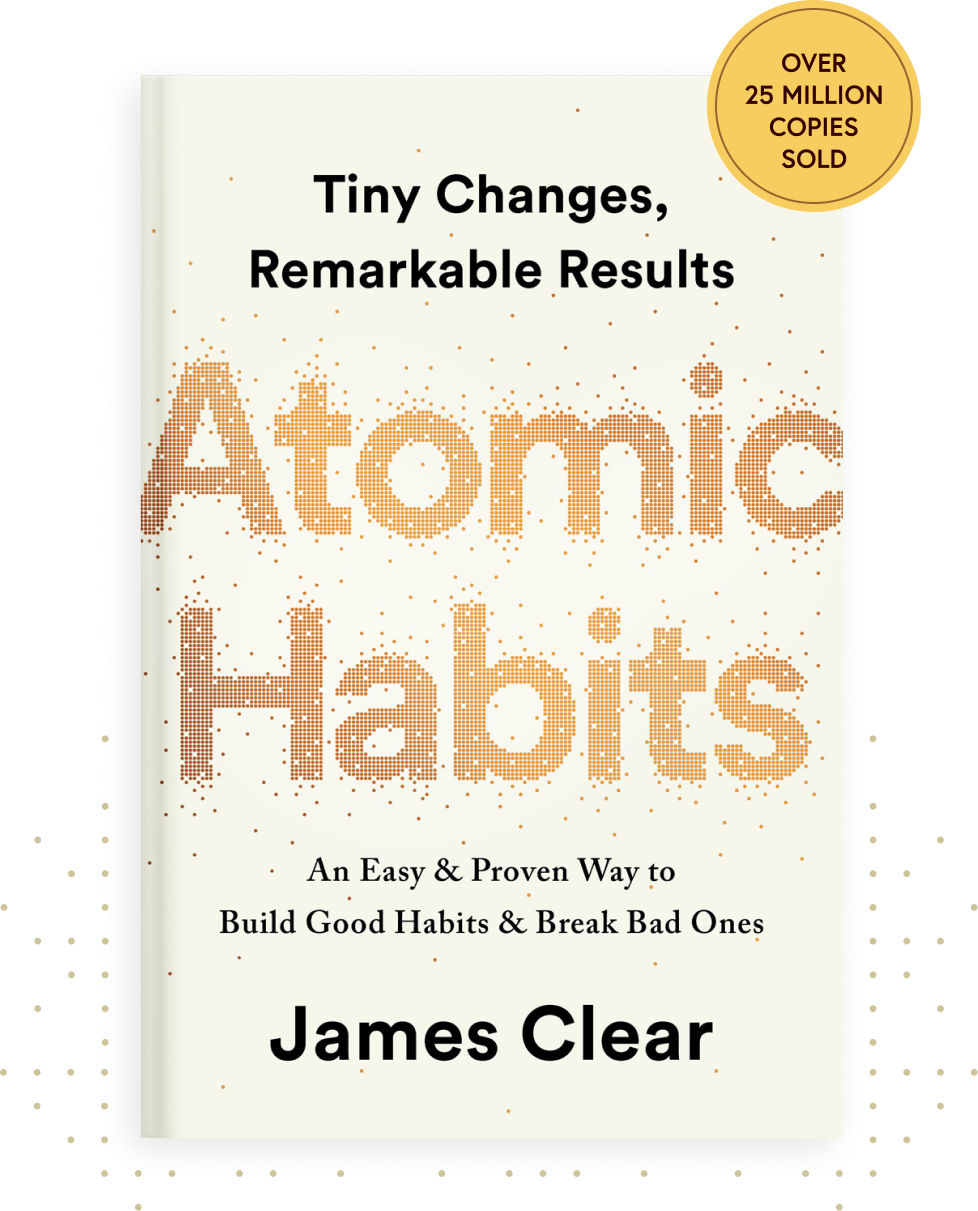
Atomic Habits by James Clear
If you’ve ever set a big goal and struggled to stick with it, Atomic Habits might be exactly what you need.
James Clear takes a topic that can feel overwhelming — changing your life — and makes it feel doable. His message is simple: you don’t need a massive overhaul. You need small, consistent improvements. Tiny habits. Done daily. That’s where the real transformation happens.
And honestly? That idea alone is both comforting and motivating.
Small Changes, Big Results
One of the biggest takeaways from this book is the concept of getting just 1% better every day. It sounds almost too simple, but Clear explains how those small improvements compound over time. The same way money grows with compound interest, your habits grow — for better or worse.
What I appreciate most is his focus on systems instead of goals. Goals are important, but they’re just the outcome. Systems are what actually get you there. Two people can have the same goal — the difference is in the daily habits they follow.
It’s a practical shift in thinking that makes a huge difference.
The Four Laws of Building Better Habits
Clear breaks habit-building down into four simple rules:
Make it obvious
Make it attractive
Make it easy
Make it satisfying
What I love about this framework is that it’s actionable. This isn’t a book full of abstract theory. He walks you through how to design your environment, reduce friction, stack habits onto routines you already have, and make change feel manageable instead of overwhelming.
It feels less like “try harder” and more like “set yourself up to win.”
Focus on Who You’re Becoming
One of the most powerful ideas in the book is shifting your focus from outcomes to identity.
Instead of asking, “What do I want to achieve?” Clear suggests asking, “Who do I want to become?”
Every small action is a vote for the kind of person you want to be. Want to be someone who’s organized? Start organizing small things. Want to be someone who’s healthy? Don’t skip the walk. Over time, those small votes shape your identity — and that identity makes the habits stick.
That mindset shift really stuck with me.
Why This Book Works
There are a lot of productivity and self-improvement books out there, but Atomic Habits stands out because it’s:
Clear and easy to read
Backed by research without feeling academic
Practical enough to implement immediately
It doesn’t rely on hype or dramatic motivation. It’s grounded, realistic, and sustainable.
Who I’d Recommend It To
This book is great for:
Business owners trying to build better routines
Professionals looking to improve productivity
Anyone feeling stuck or inconsistent
People who want long-term change without burnout
The principles apply whether you’re working on your health, career, finances, or personal growth.
Final Thoughts
Atomic Habits isn’t about quick fixes or big, dramatic reinventions. It’s about small changes that quietly reshape your future.
If you’re willing to focus on the little things and stay consistent, this book gives you a clear roadmap to do exactly that.
It’s practical, encouraging, and worth the read.
Rating: 5/5 — highly recommend.
FREE RESOURCES: https://jamesclear.com/resources
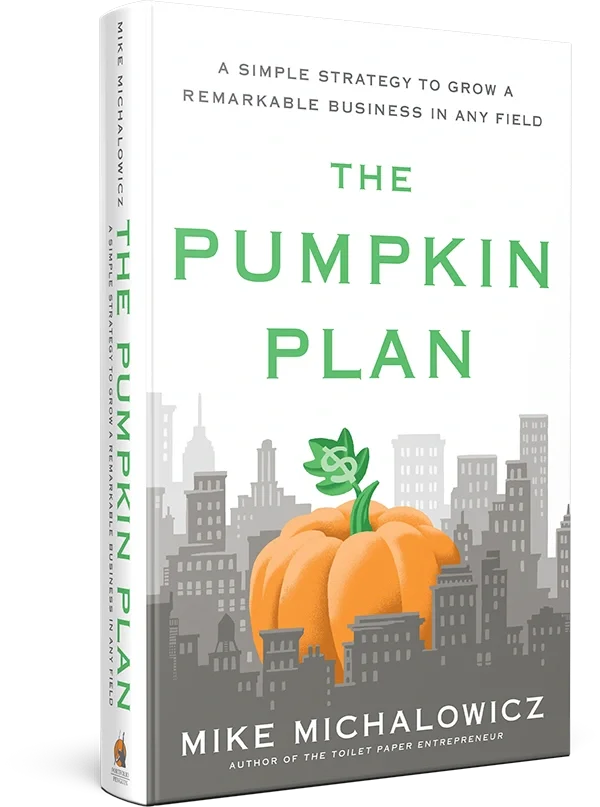
The Pumpkin Plan by Mike Michalowicz
In The Pumpkin Plan, Mike Michalowicz delivers a sharp, practical, and often entertaining guide to growing a thriving business by doing less—better. Inspired by the strategies of giant pumpkin farmers, Michalowicz argues that exceptional growth doesn’t come from serving more customers; it comes from focusing intensely on the right ones.
Core Premise
The central analogy is simple but powerful. Giant pumpkin growers don’t try to grow as many pumpkins as possible. Instead, they:
Plant the right seeds,
Nurture the strongest sprouts,
Ruthlessly remove weak pumpkins,
Focus all resources on growing one giant winner.
Michalowicz applies this to entrepreneurship. Most businesses spread themselves thin trying to please every customer. The result? Burnout, low margins, and chaotic operations. The solution, he argues, is to identify your best clients—the ones who are most profitable, aligned with your strengths, and energizing to work with—and systematically eliminate the rest.
Key Ideas
Identify Your “Best Seed” Clients
Not all revenue is equal. The best clients pay well, value your work, and align with your company’s strengths. These are the seeds worth nurturing.Fire the Wrong Clients
This is one of the book’s boldest recommendations. Clients who haggle, drain resources, or don’t fit your core offering prevent growth. Letting them go creates space for better opportunities.Focus on Your Unique Strength
Businesses should double down on what they do exceptionally well—not chase every opportunity. Niche dominance beats broad mediocrity.Systematize Around Your Ideal Client
Once you define your target, your operations, marketing, pricing, and team should all revolve around serving that specific group.Grow Smarter, Not Bigger
Sustainable profitability is more important than top-line growth. The goal is to build a business that is both scalable and enjoyable to run.
What Works Well
Actionable Advice: This isn’t a theoretical business book. Michalowicz provides concrete exercises to identify top clients and reshape your business model.
Memorable Metaphor: The pumpkin farming analogy makes the lessons stick.
Conversational Tone: The writing is energetic and accessible, making complex business strategy feel approachable.
Profit-Focused: Unlike many growth books that prioritize revenue, this one emphasizes profitability and alignment.
Potential Drawbacks
Repetitive at Times: The pumpkin metaphor, while effective, can feel overextended.
Risk Factor: Firing clients can feel impractical or scary for small businesses that rely on steady cash flow. The book acknowledges this, but execution requires courage.
Best for Established Businesses: Startups without a client base may find it harder to apply immediately.
Who Should Read It?
Entrepreneurs are stuck with difficult clients.
Service-based business owners looking to improve margins.
Leaders ready to niche down and refine their business model.
Anyone feeling overwhelmed by growth without profitability.
Final Verdict
The Pumpkin Plan is a bold, practical guide for business owners who want to escape the “more is better” trap. Michalowicz challenges the assumption that growth means expansion and instead advocates for focus, discipline, and strategic elimination.
It’s not just about building a bigger business—it’s about building a better one.
Rating: 4.5/5
A highly recommended read for entrepreneurs ready to prune their client list and grow something extraordinary.
FREE RESOURCES: https://mikemichalowicz.com/free-resources/
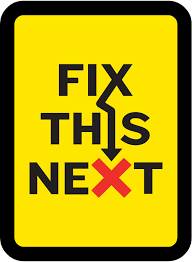
Fix This Next by Mike Michalowicz
If you’ve ever looked at your business and thought, “There are SO many things I need to fix… but where do I even start?” — this book is for you.
Fix This Next by Mike Michalowicz is one of those practical, no-fluff business books that actually helps you take action. And what I love most about it? It brings the focus back to something so many business owners overlook: profit and financial health.
Stop Fixing Random Things
One of the biggest mistakes entrepreneurs make is trying to improve everything at once. New marketing strategy. New software. New offer. New logo. New hire.
Meanwhile… cash flow is tight, profit margins are thin, and the numbers are unclear.
Mike’s core message is simple:
👉 Don’t fix everything.
👉 Fix the right thing — in the right order.
He introduces what he calls the Business Hierarchy of Needs, which is similar to Maslow’s hierarchy — but for businesses. The foundation starts with:
Sales
Profit
Order (systems & efficiency)
Impact
Legacy
And here’s the part I especially appreciate:
You cannot build a strong, sustainable business if your profit is weak.
Not revenue. Not growth.
Profit.
Why the Profit Piece Matters So Much
So many business owners chase revenue goals without ever asking, “Am I actually keeping enough of this?”
Mike makes it clear: if profit isn’t solid, everything else becomes stressful. You feel busy but not secure. You’re growing but not stable. You’re working hard but not building wealth.
He encourages business owners to:
Get clear on what’s actually left over
Identify hidden financial leaks
Stop tolerating “barely profitable”
Strengthen margins before scaling
From a bookkeeping and financial clarity perspective, this is huge. When you understand your numbers, you stop guessing. And when you prioritize profit, you create breathing room — which makes every other improvement easier.
Clarity Over Chaos
What makes this book especially helpful is the diagnostic approach. Instead of giving generic advice, Mike walks you through figuring out your biggest constraint right now.
It might not be marketing.
It might not be hiring.
It might simply be that your profit structure isn’t strong enough.
And once you fix that? Everything else gets easier.
Who I Recommend This To
I’d especially recommend Fix This Next to:
Service-based business owners
Entrepreneurs who feel “busy but broke”
Business owners stuck at a revenue plateau
Anyone who wants to grow without financial stress
If you’ve ever thought, “We’re making money… so why does it still feel tight?” — this book will likely hit home.
Final Thoughts
Fix This Next is a great reminder that growth isn’t about doing more — it’s about strengthening the foundation first.
And in my opinion, that foundation is financial clarity and real profit.
When your numbers are clear and your business is truly profitable, decisions get easier. Growth becomes intentional. And you stop operating in survival mode.
If you’re serious about building a business that actually supports your life (instead of draining it), this is a worthwhile read.
Rating: 4.5/5 — Practical, empowering, and refreshingly focused on what actually matters.
FREE RESOURCES: https://mikemichalowicz.com/free-resources/
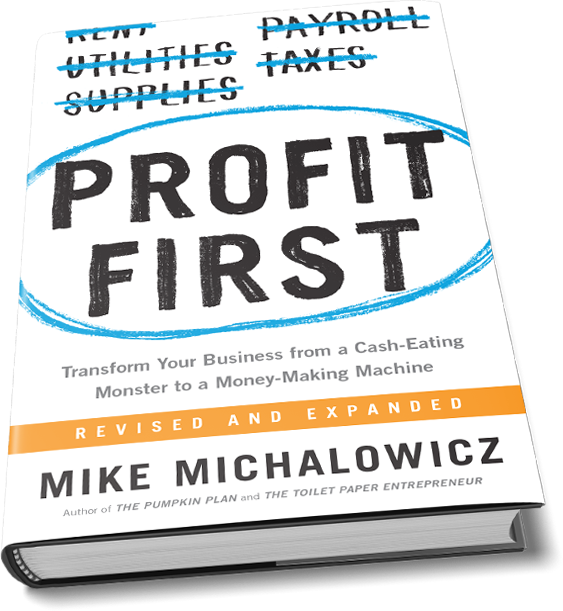
Profit First by Mike Michalowicz
A Must-Read for Small Business Owners Who Want Better Cash Flow
If you’re a small business owner struggling with cash flow, inconsistent owner pay, or unclear financial systems, Profit First by Mike Michalowicz is a game-changer.
As bookkeeping professionals, we often see businesses generating solid revenue but still lacking real profit. This book addresses that exact problem with a simple but powerful shift in accounting:
Sales – Profit = Expenses
Instead of treating profit as what’s left over, the Profit First method makes profit a priority from the start.
Why This Matters for Bookkeeping Clients
Many entrepreneurs rely on traditional accounting methods but still feel financially stressed. The Profit First system improves:
Cash flow management
Small business financial organization
Owner compensation consistency
Tax planning preparation
Expense control
The book introduces a multiple bank account structure that allocates income into clear categories: profit, owner’s pay, taxes, and operating expenses. This creates instant financial clarity and helps business owners make smarter spending decisions.
For clients working with a bookkeeper, this system pairs extremely well with regular financial reporting. When your books are accurate and you’re allocating revenue intentionally, your numbers start working for you — not against you.
Key Takeaways for Small Businesses
Profit should be built into your financial system.
Constraints improve spending discipline.
A healthy business consistently pays its owner.
Simplicity in bookkeeping leads to better decision-making.
Final Thoughts
Profit First is practical, straightforward, and especially valuable for service-based businesses and small business owners who want stronger financial foundations. It reinforces what good bookkeeping already supports: clarity, structure, and intentional profit.
If you want better control over your cash flow and a business that truly supports you financially, this book is worth reading.
Rating: 4.5/5
Highly recommended for small business owners ready to take control of their finances.
FREE RESOURCES: https://profitfirstbook.com/